No amount of AI compute can fix bad bio data.
More than 95% of drugs that pass animal testing fail in human trials. A single new drug takes about $2.6 billion and 12.5 years to develop, and most of that effort goes to drug candidates that were doomed from the start to fail in real human patients.
AI was supposed to change this. But most AI for drug discovery is still trained on the same inputs that lead to the 95% drug failure rate: animal data, which has never correlated to human outcomes; published human data, 75%+ of which is irreproducible; and cell lines that don’t respond like living tissue. A model can only learn the biology it’s trained on, and no amount of scale or compute can fix bad data. When these models fall short, AI will get the blame.
How do we fix bad data? The best world model of biology has to be trained on data at every scale, from molecules to cells to organs to patients, and that data has to cover the diversity of the world’s population, or the model won’t generalize to the people who actually take the drug. Collecting all of it directly from people poses ethical and technical challenges. A better solution is to combine large-scale patient data with best-in-class lab-grown human tissue: living systems we can measure at the molecular, cellular, and organ level, and run experiments on directly.
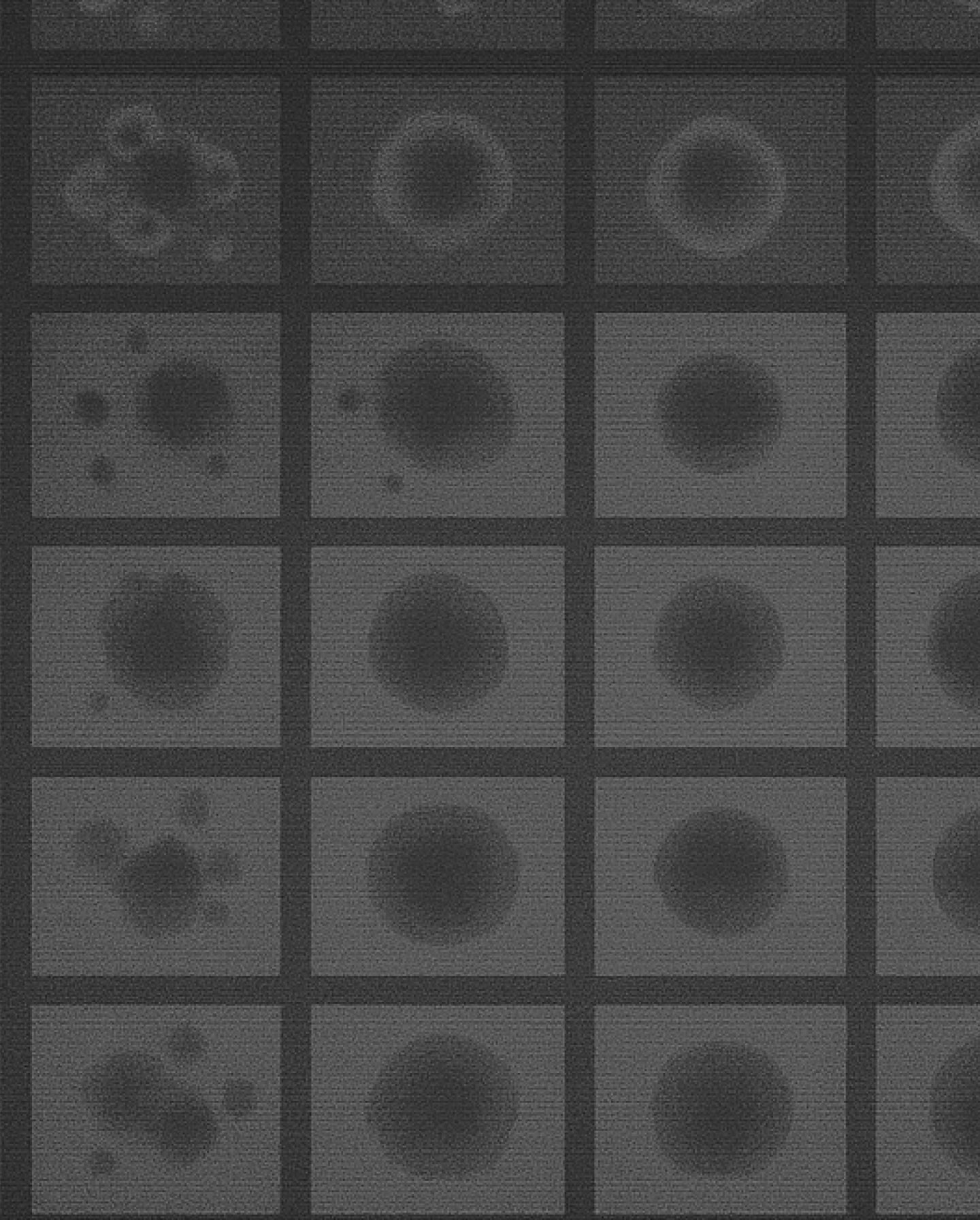
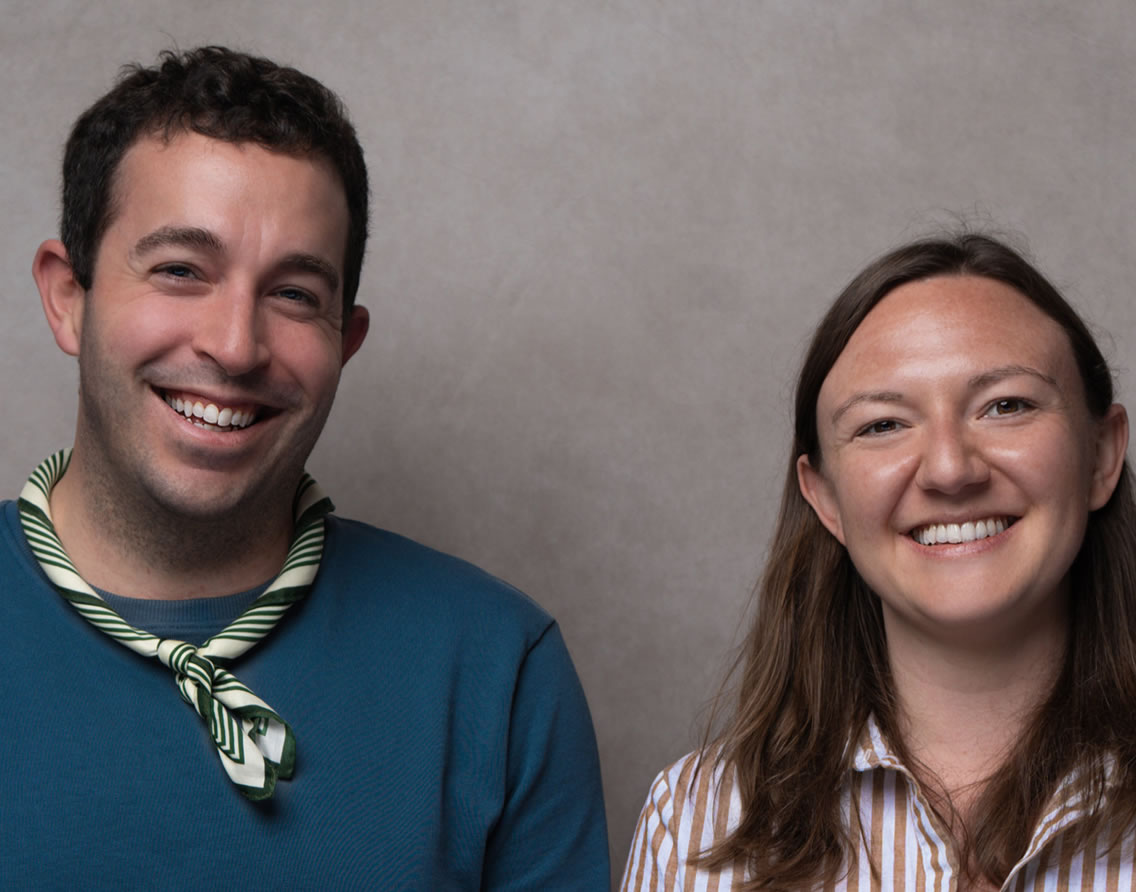
Growing this tissue is exactly what we do best. Parallel Bio grows living mini human immune systems, called immune organoids, from a proprietary biobank spanning ages, sexes, ancestries, and disease states. We have an unfair advantage because our founders are world experts in scalable human organoids: a Stanford-trained immunologist and a bioengineer who trained in the lab that invented the first organoid. Our AI-driven robotic lab runs experiments on these organoids at scale. The result is human data no one else has, generated on demand.
These experiments power a robust loop. Better data make our model smarter, and a smarter model generates better data. We build every layer ourselves: the lab robotics, the data infrastructure, and the world model that orchestrates it all. The whole lab is callable over an API and MCP, so our AI agents can design and run experiments themselves within safety limits we set.
Our approach is already working. The quality of our biology has been validated by five Fortune 500 companies, our platform shows 87% concordance with patient outcomes, and the technology has even accurately predicted the outcome of a Phase 1 clinical trial. Our mission is a big one: knowing which drugs will work in patients before they ever reach a trial. That means fewer failed trials, safer medicines, and better treatments reaching patients sooner.
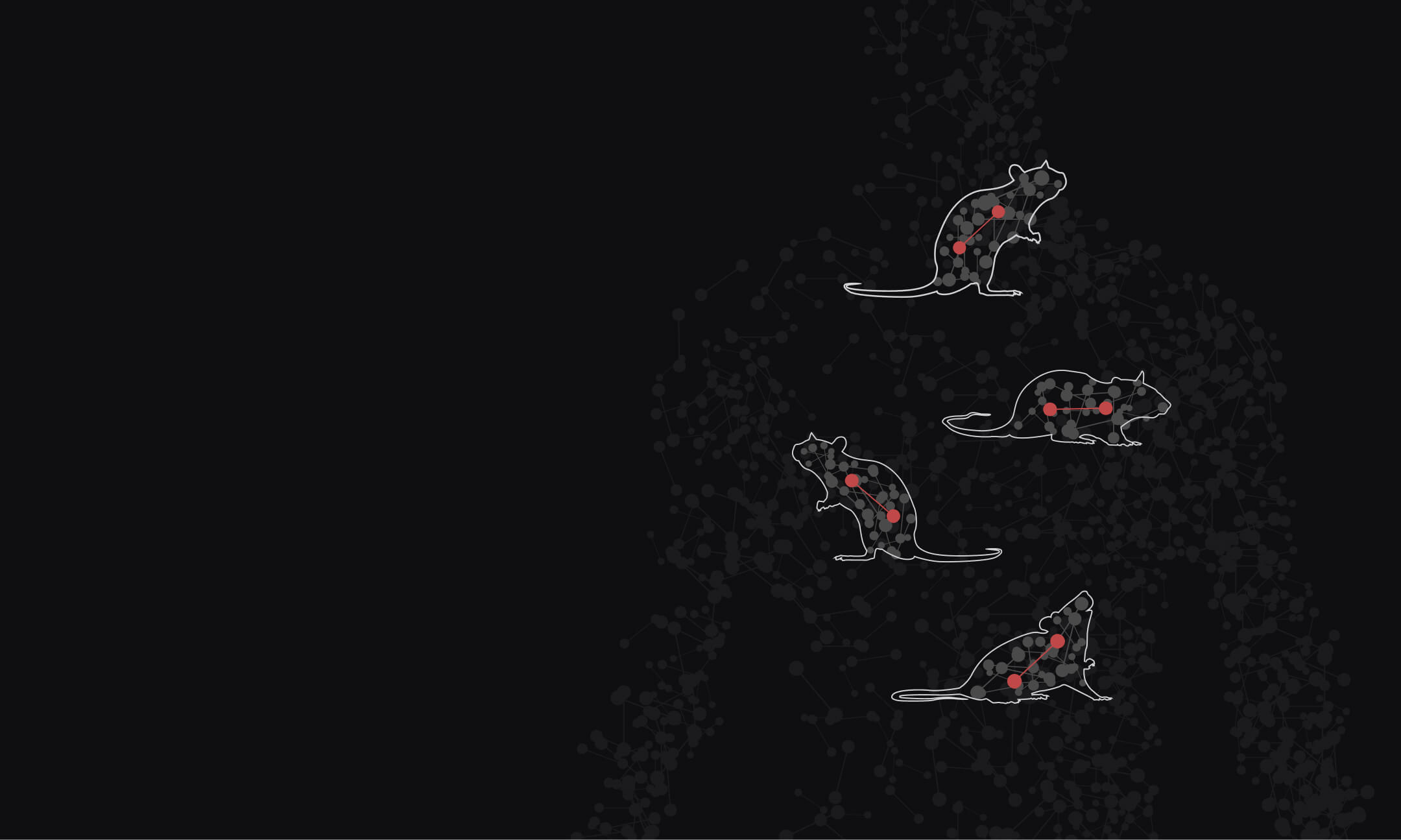
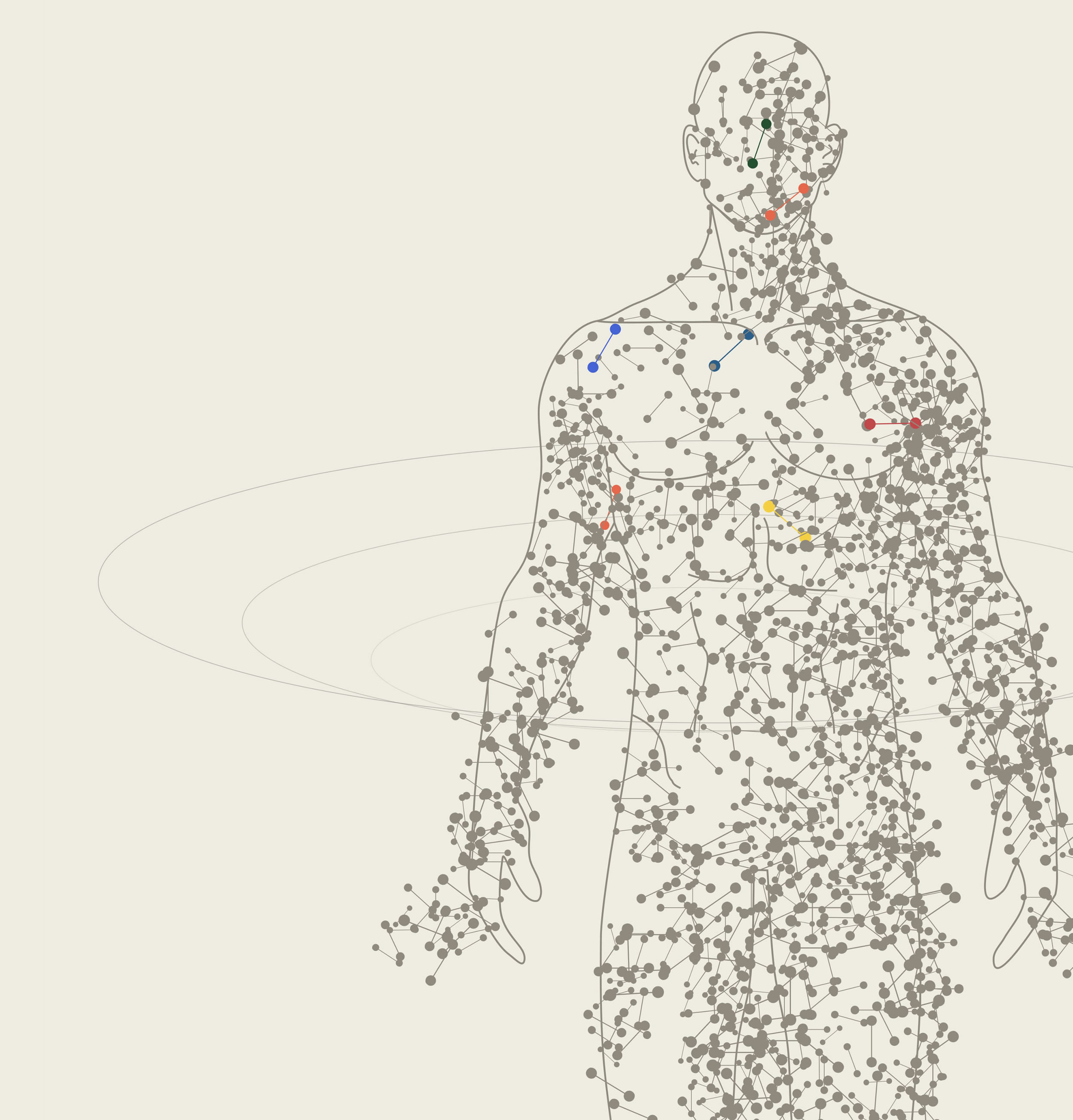
Human biology has a dynamic landscape. Every new drug has to navigate this terrain, even drugs designed by AI models.
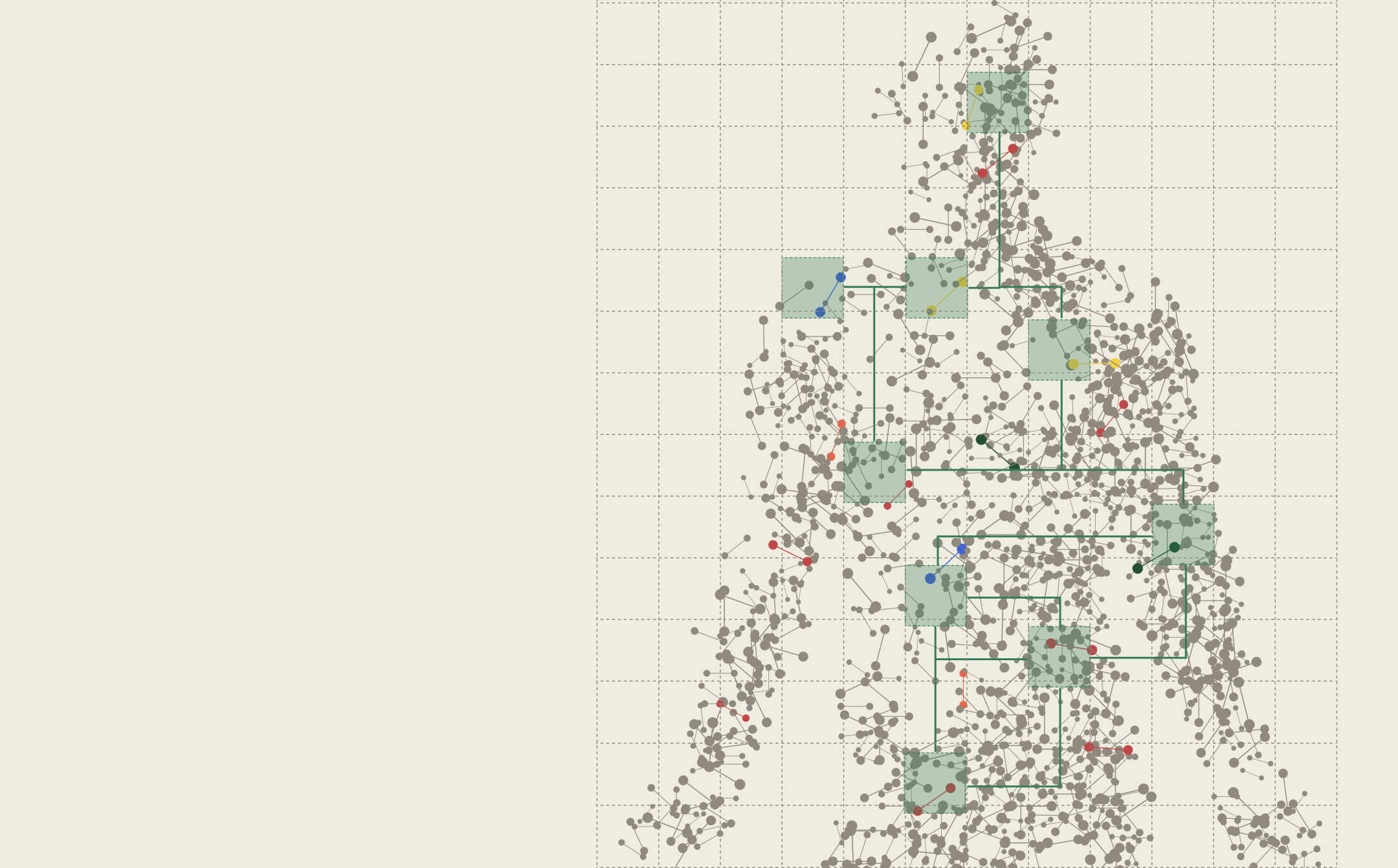
Our mission is to chart the real terrain. Parallel Bio pairs living human immune organoids with an AI-driven robotic lab to build the first ever maps of human health and disease: how human biology actually responds to drugs, across a diverse population.
Our model learns from every experiment and designs the next one better, so each run charts more of the map than the last.
The maps get smarter as we go: more human data, a sharper model, and better calls on which drugs will work in people, long before a clinical trial.
We're working with numerous companies at the forefront of AI and biology, including five Fortune 500 companies. Learn about the future today.
Introducing human-first drug discovery
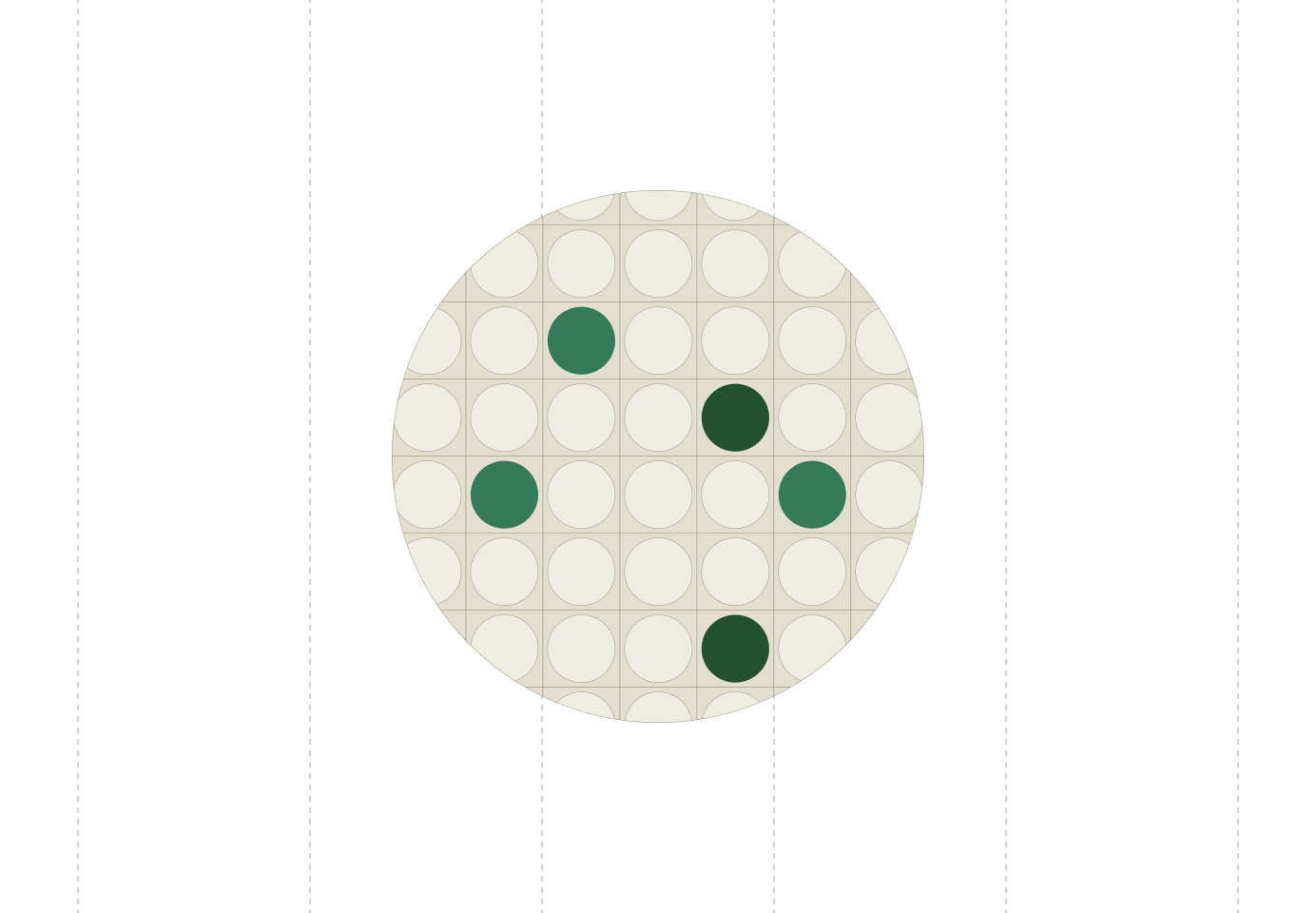
Drug discovery
We’ve re-written the entire process of drug discovery, using our maps of human biology to go from disease target discovery to IND in a fraction of the time and cost
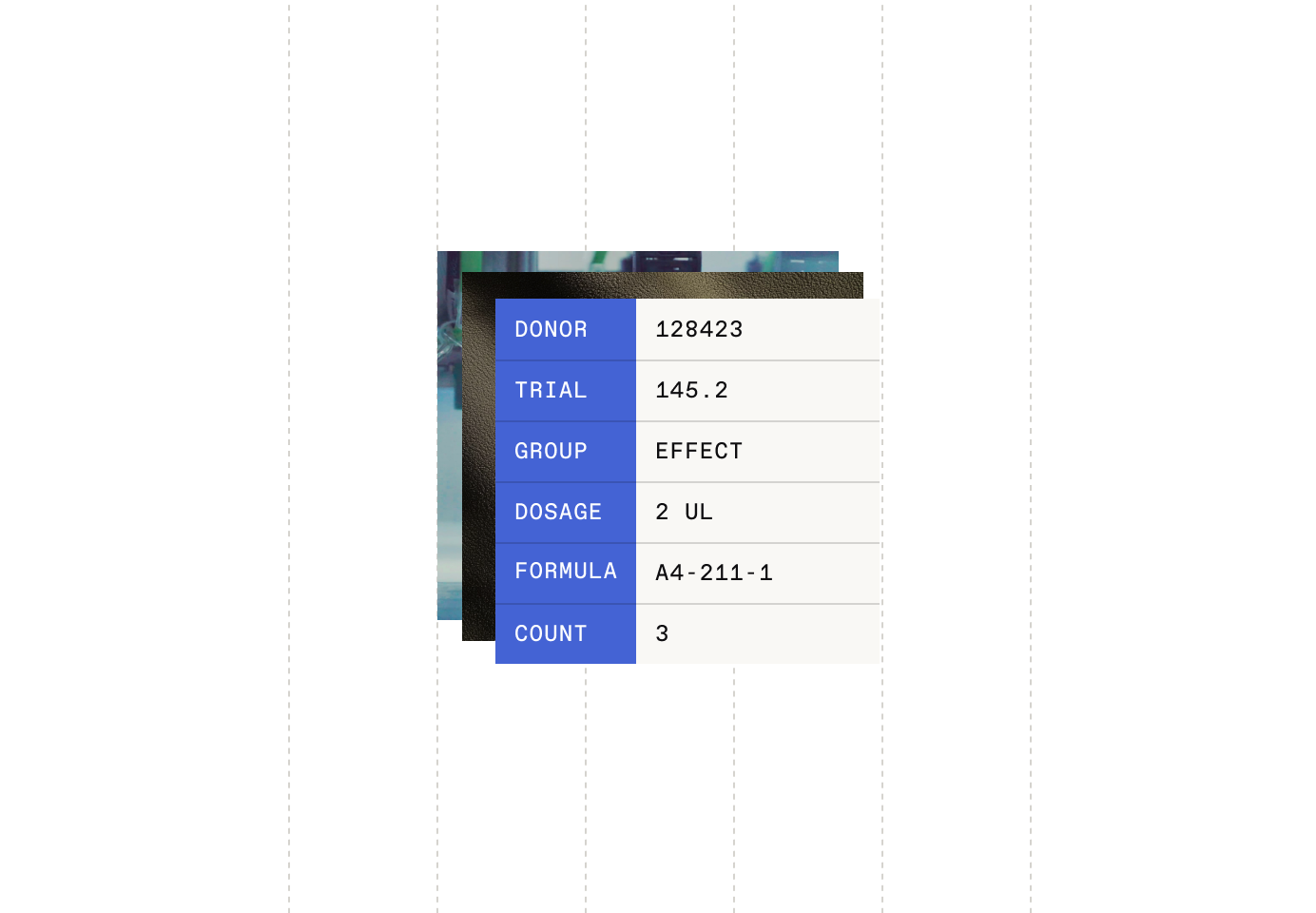
Precision medicine
Accurate maps of human biology unlock personalized insights and patient stratification in ways never previously possible
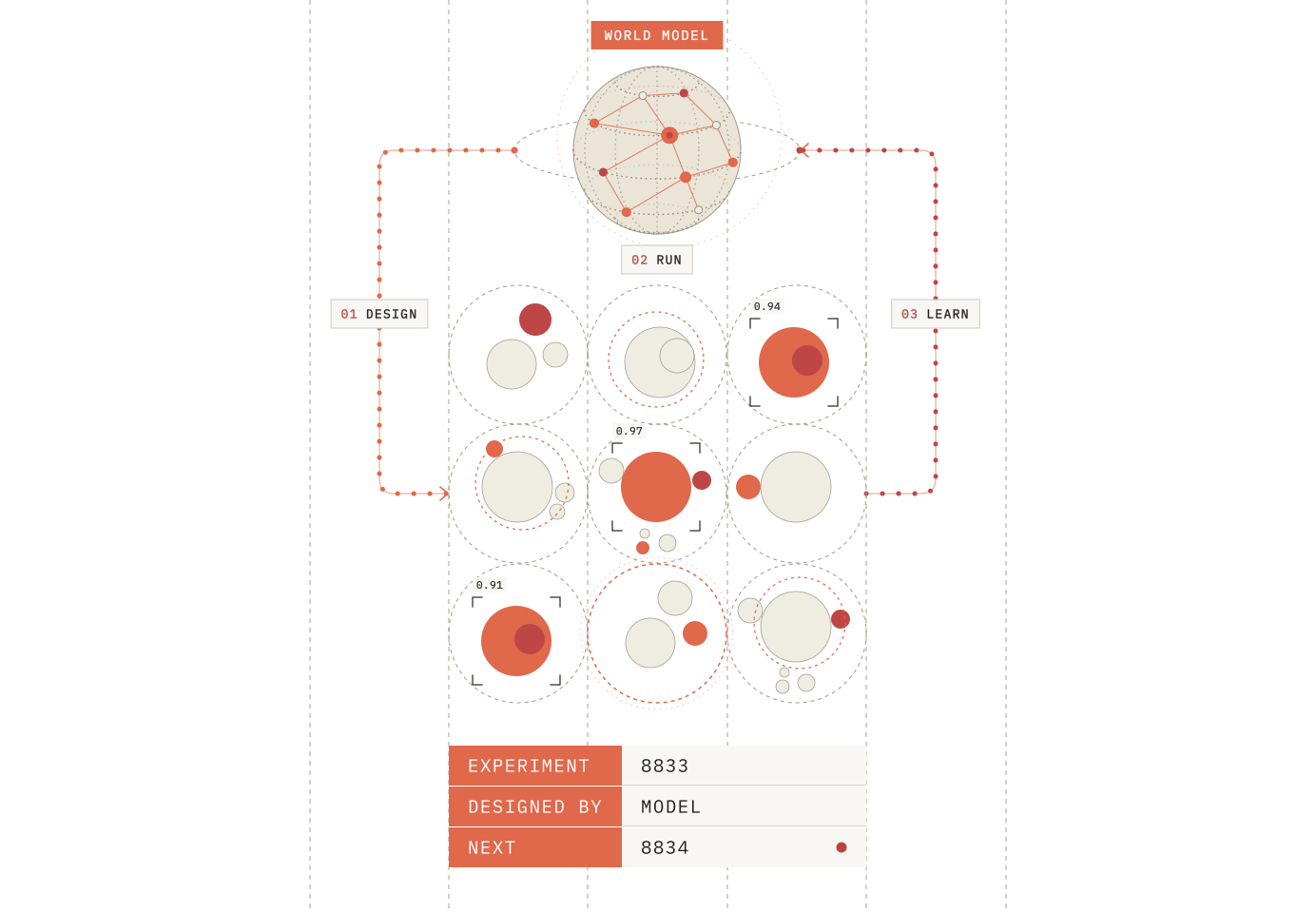
A world model of human biology
One model that learns how human biology actually behaves: it designs each experiment, directs the robots that run it on human immune organoids, and learns from every result